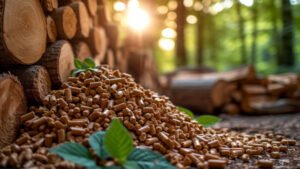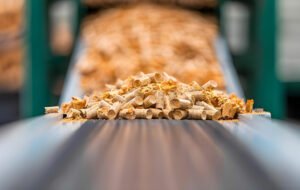
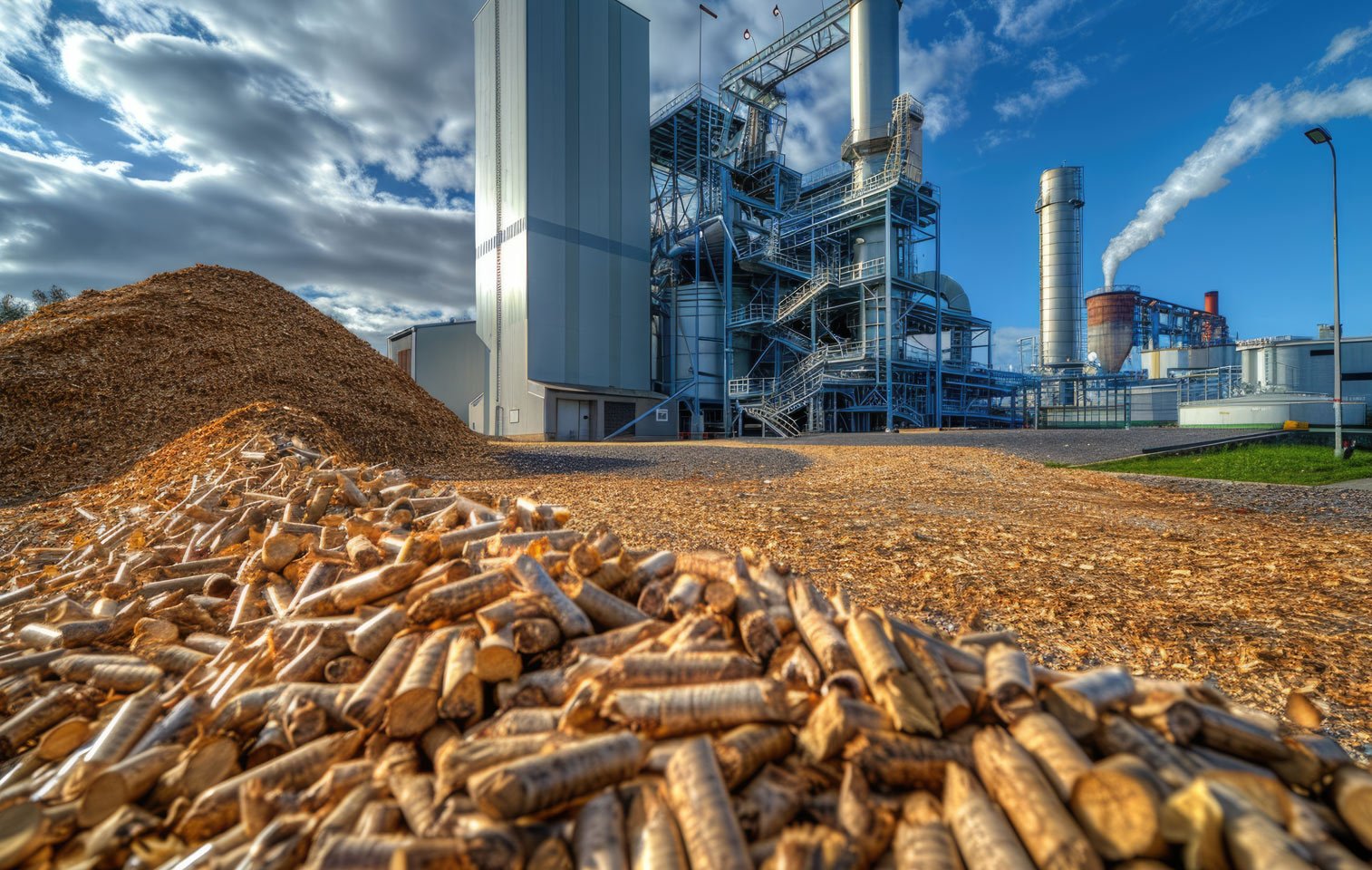
Biomass pellets present a significant opportunity as a renewable and sustainable alternative to fossil fuels. With rising global demand for clean energy and stricter environmental regulations, industries and power plants are increasingly adopting biomass pellets to reduce carbon emissions. They are produced from agricultural residues, wood waste, and other biomass materials, turning low-value waste into high-efficiency fuel. This creates additional income streams for farmers, supports rural employment, and reduces dependence on imported coal and oil.
Furthermore, biomass pellets offer advantages such as easy storage, uniform size, high calorific value, and cleaner combustion compared to raw biomass. Government incentives, renewable energy targets, and growing awareness about climate change are accelerating investments in pellet manufacturing and biomass power projects. In countries like India, biomass pellets also support waste management solutions—especially for crop residue burning—while promoting a circular economy and sustainable industrial growth.
⚠️ Challenges
Despite strong potential, the biomass pellet industry faces several challenges. One major issue is the consistent availability and collection of raw materials, as biomass supply is seasonal and scattered. Transportation and storage costs can be high due to the bulky nature of raw biomass. Additionally, establishing pellet plants requires significant capital investment, technical expertise, and reliable power supply, which can be barriers for small manufacturers.
Another challenge is market development and price competitiveness with conventional fuels like coal. Fluctuations in policy support, lack of standardization, and limited awareness among industries can slow adoption. Quality control, moisture management, and maintaining efficient combustion systems are also critical for successful utilization. Addressing these challenges through better supply chains, supportive policies, and technological improvements will be key to unlocking the full potential of biomass pellets as a mainstream clean energy solution.